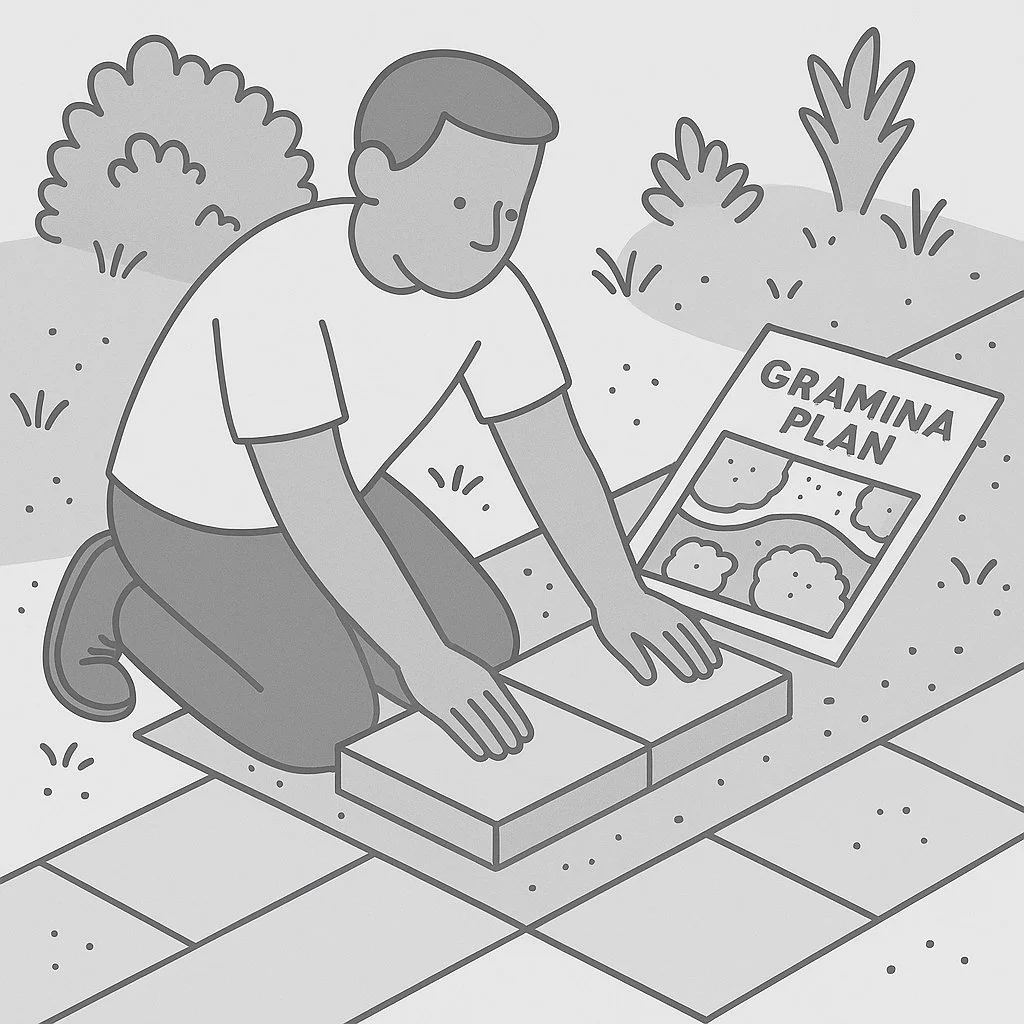
We make beautiful gardens without the high price-tag and long time-line.
Are you stuck with your garden but put off by expensive designs?
You shouldn't have to struggle making your dream garden,
with Gramina you won't.
Invest hundreds, not thousands.
Start building in days, not months.
De risk with clear professional direction before you build.
CLICK THE VIDEO.
HOW IT WORKS.
CLICK THE VIDEO.
HOW IT WORKS.
Kind words from our Clients


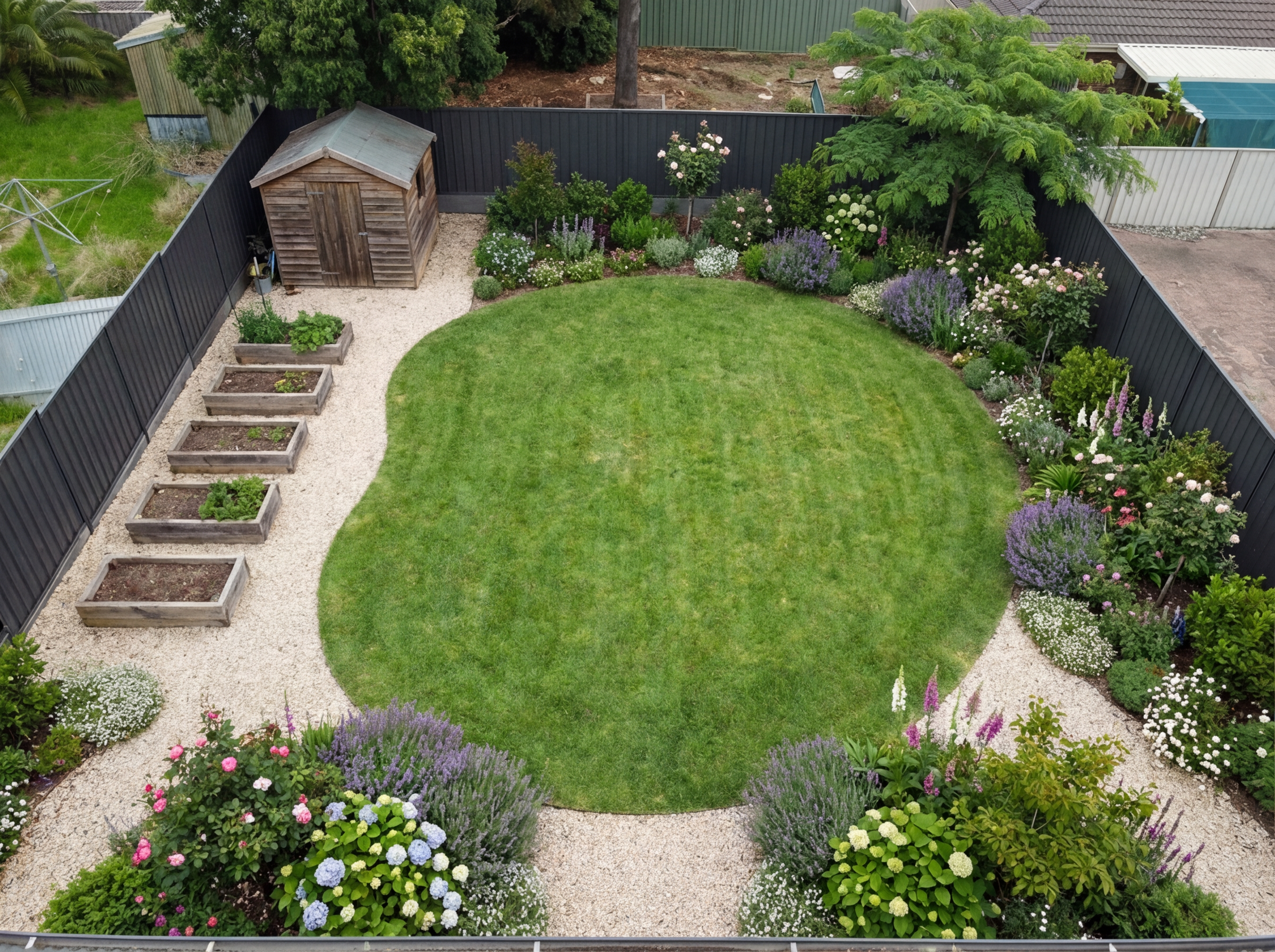
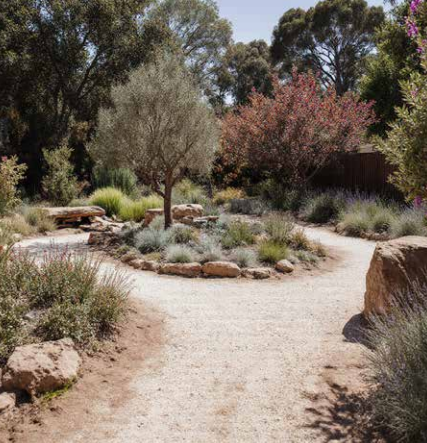
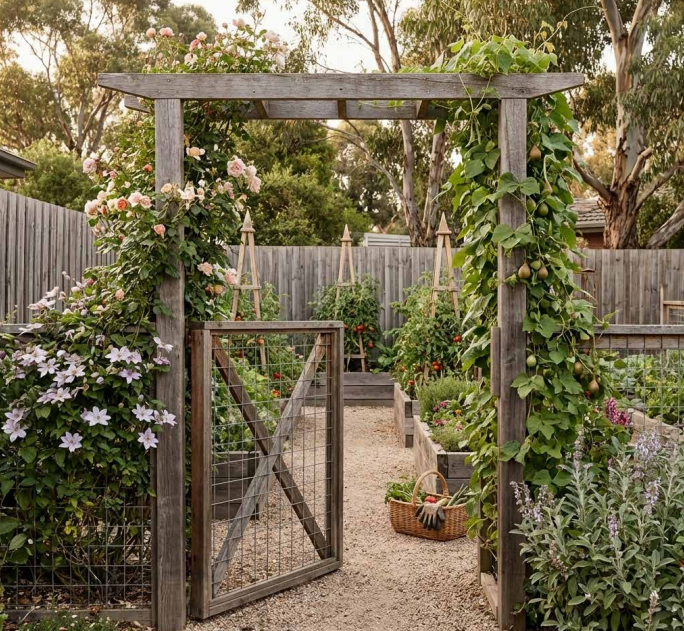

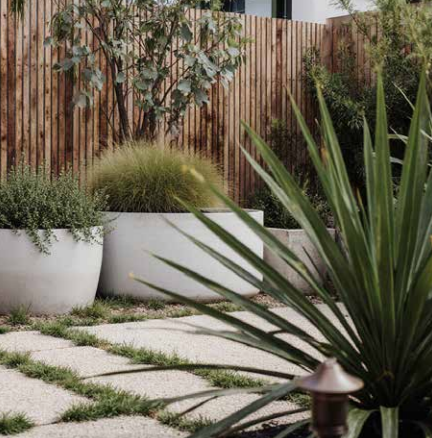
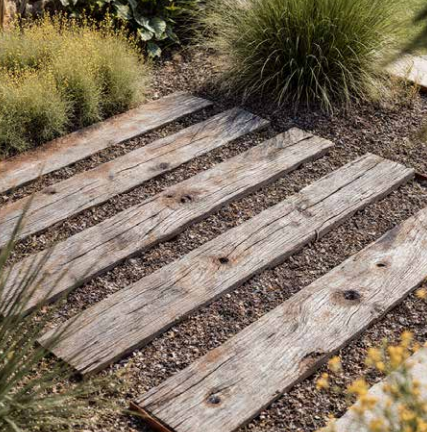
Professional and Affordable Landscape Garden Design
Choose a garden plan you love and get a bespoke concept design tailored to your site and climate.
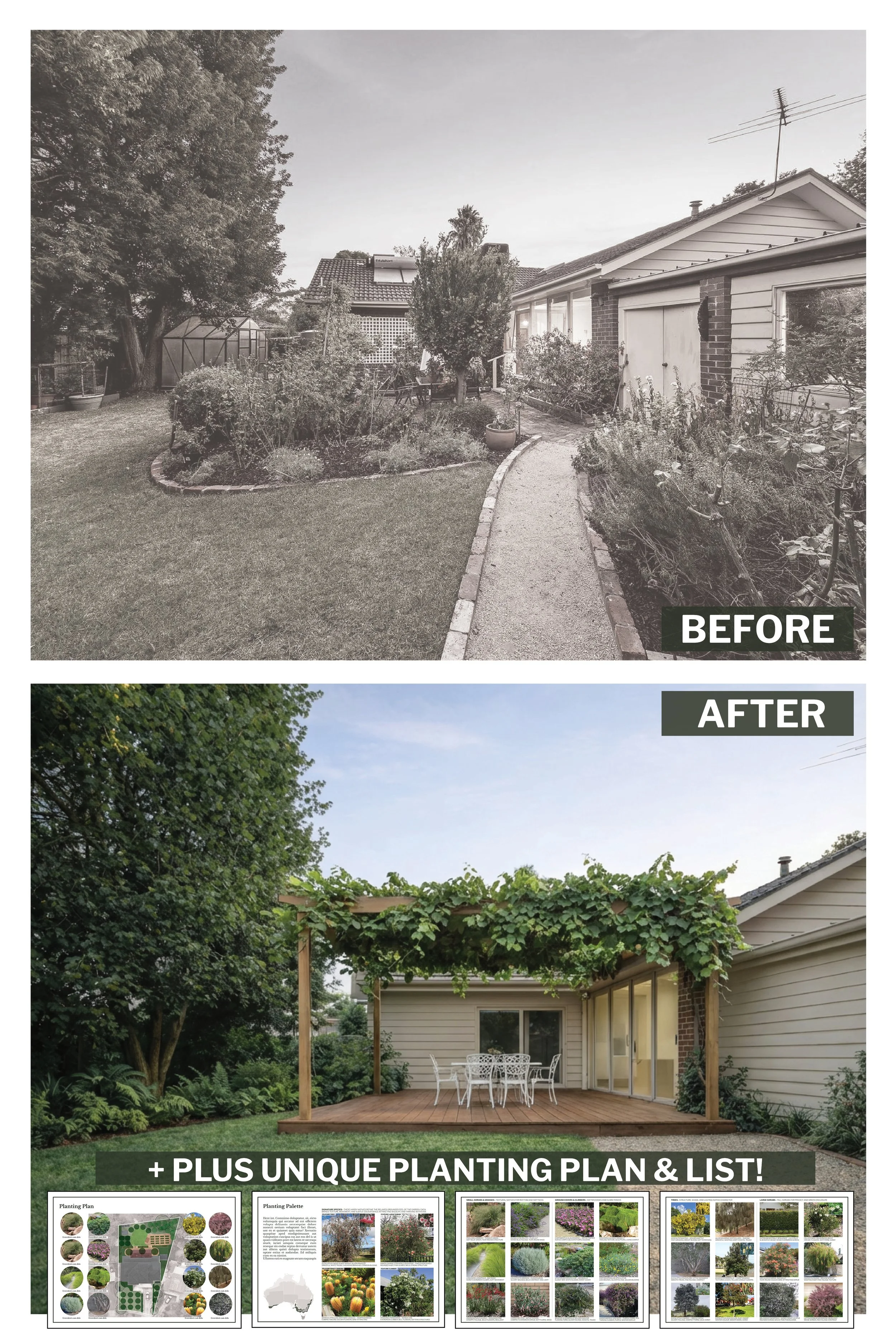
Complete Plan
$1,299
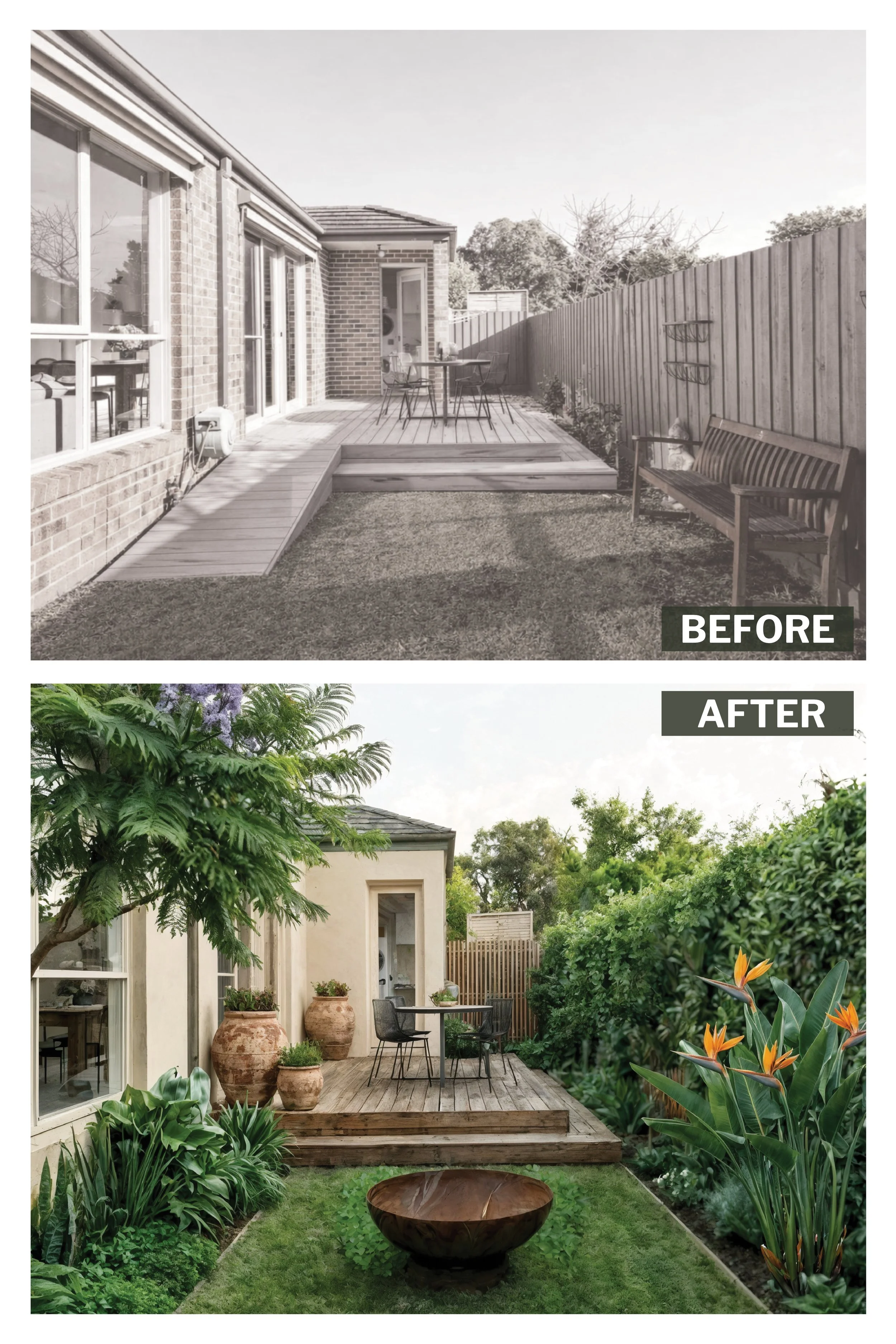
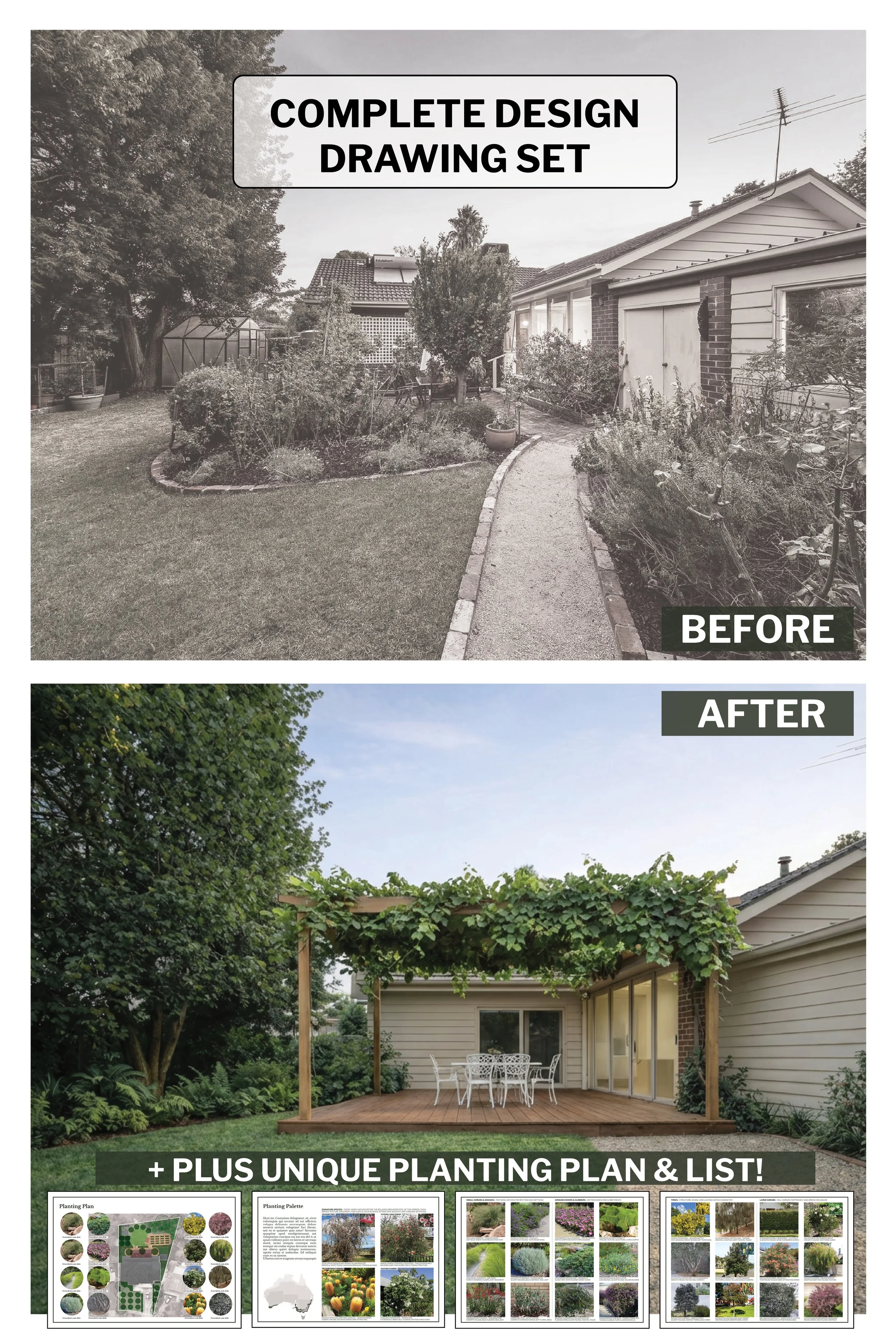
We take on limited clients each month so every garden plan receives proper care and attention.
The full package. Garden Design, Planting Design, Planting list and Build notes for those ready to go.
The Complete Plan is the most comprehensive Gramina Garden Plan. It brings together a fully bespoke garden theme, a site-specific design, and a resolved planting strategy into one clear, build-ready package. The result is a one-of-a-kind garden design that reflects how you want to live outdoors, shaped precisely to your site.
This plan is best for:
People who want a one of a kind garden, are ready to build and want all key design decisions resolved.
How it works
One-on-one video/phone conversation
You share your brief, aspirations, and priorities in a focused call that sets the foundation for the design.Send us your site photos
You send through photos of your garden and surrounding conditions to inform layout, scale, and character.We get to work
We develop a unique garden concept theme, a bespoke concept layout of your garden and create rendered views using your site photos to show how the space can transform.
What’s included in the Complete Plan
One-on-one detailed video/phone conversation
A dedicated conversation to understand your site, priorities, and aspirations before design begins.A fully unique Custom Garden Plan Theme
A one-of-a-kind garden theme created specifically from your brief, lifestyle, and site conditions.Bespoke Concept Layout
A clear, concept layout plan reflective of your custom theme.Up to 7 before and after rendered views
Visualisations showing how your garden can transform, based on site images you provide.A Bespoke Planting Plan
A planting plan designed specifically for your site, climate, and layout, showing plant placement and structure.A Bespoke Planting Palette
A tailored plant Palette aligned with your planting plan, climate zone, and design intent.Build Notes
Clear guidance on installation steps, sequencing, and key considerations to support construction and implementation.Additional Moments (Optional)
Any additional moments you choose are integrated seamlessly into your bespoke concept plan.
Limited spots each month
Best for:
People who want a one of a kind garden, are ready to build and want all key design decisions resolved.
Personalised Plan
$699
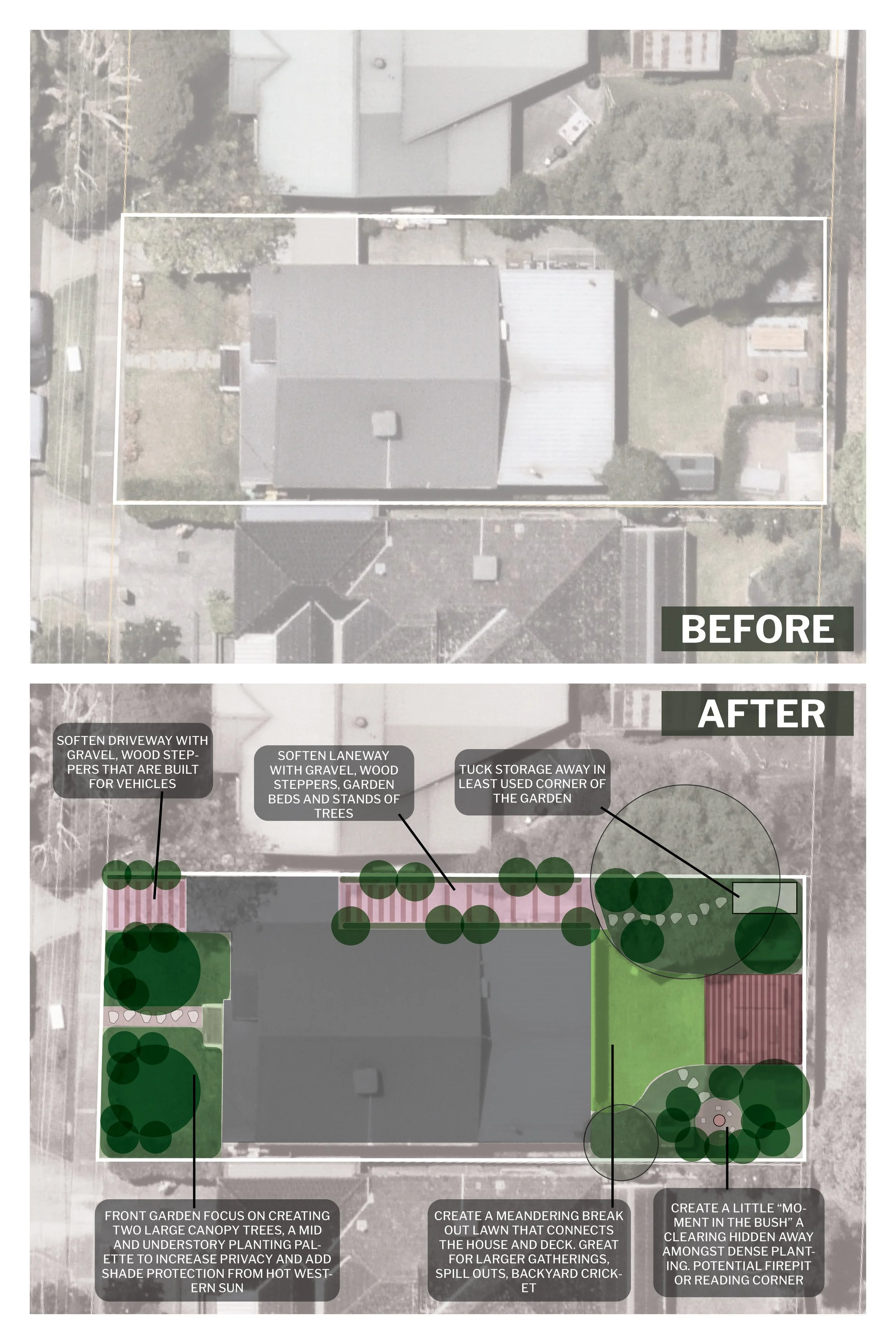
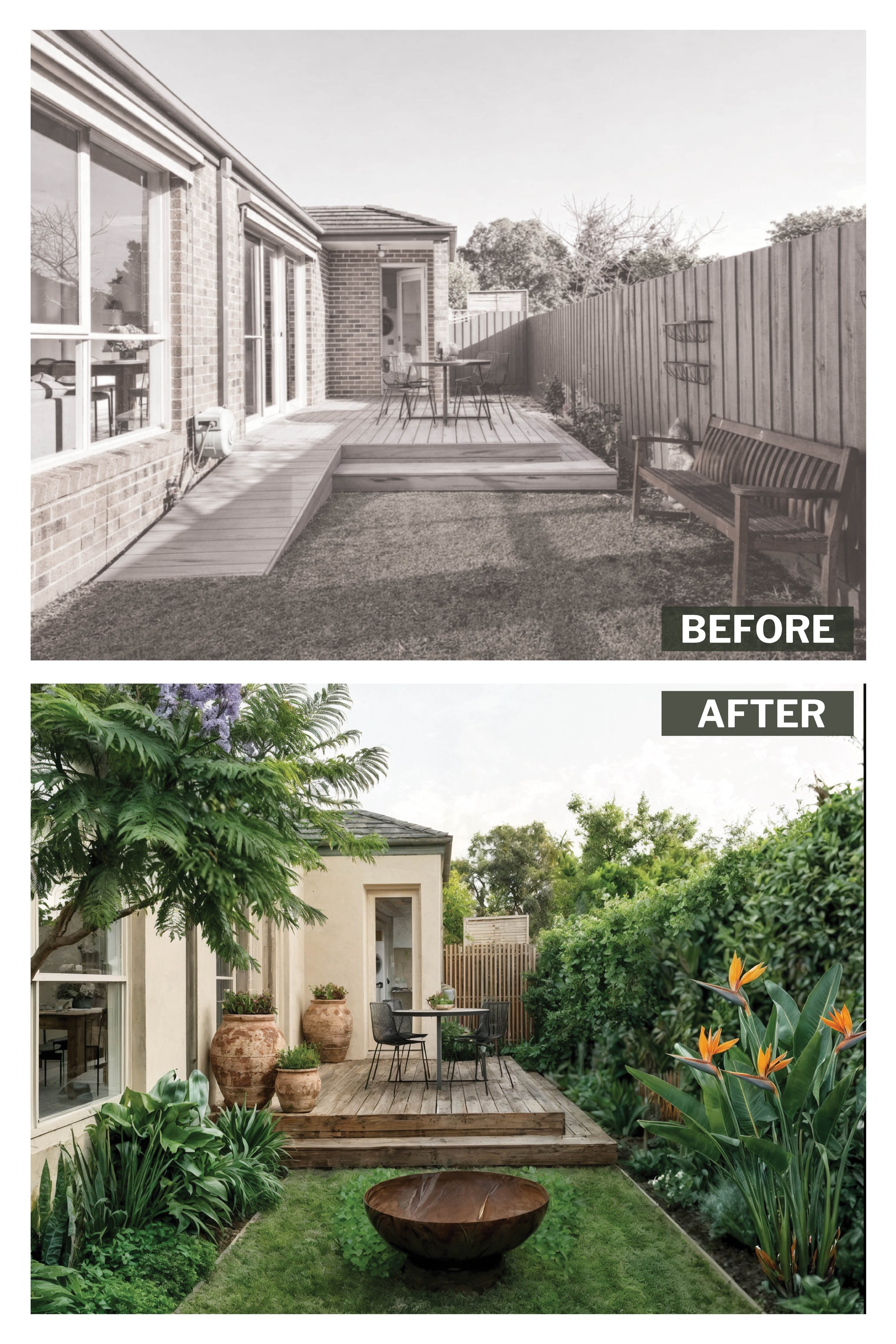
We take on limited clients each month so every garden plan receives proper care and attention.
Try a fully personalised garden theme, designed from your brief and shaped to your site.
A Personalised Plan begins with your ideas, priorities, and how you want to live outdoors. It is developed directly from your written brief, phone coversation, site conditions, and lifestyle, allowing the design to respond thoughtfully and precisely to your space.
The result is a garden concept guided by your words and aspirations.
This plan is best for:
People who want a unique new vision for their garden and are happy to make a few decisions on their own.
How it works
One-on-one video/phone conversation
You share your brief, aspirations, and priorities in a focused call that sets the foundation for the design.Send us your site photos
You send through photos of your garden and surrounding conditions to inform layout, scale, and character.We get to work
We develop a unique garden concept theme, a bespoke concept layout of your garden and create rendered views using your site photos to show how the space can transform.
What’s included in the Personalised Plan
One-on-one detailed video/phone conversation
A dedicated conversation to understand your site, priorities, and aspirations before design begins.A fully unique Custom Garden Plan Theme
A one-of-a-kind garden theme created specifically from your brief, lifestyle, and site conditions.Bespoke Concept Layout — a clear, concept layout plan reflective of your custom theme
Up to 7 before and after rendered views
Visualisations showing how your garden can transform, based on site images you provide.Build Notes
Clear guidance on installation steps, sequencing, and key considerations to support construction and implementation.Additional Moments (Optional)
Any additional moments you choose are integrated seamlessly into your bespoke concept plan.
Limited spots each month
Best for:
People who want a unique new vision for their garden and are happy to make a few decisions on their own.
Foundation Plan
$299
Best for:
People who need clear direction for their garden and are happy to use tried and tested plants and material selection.
Additional Moments to Enhance Your Landscape Garden Design
Enhance your garden with optional features that add atmosphere, function, and character.
Each Moment is woven into your bespoke Garden Plan.
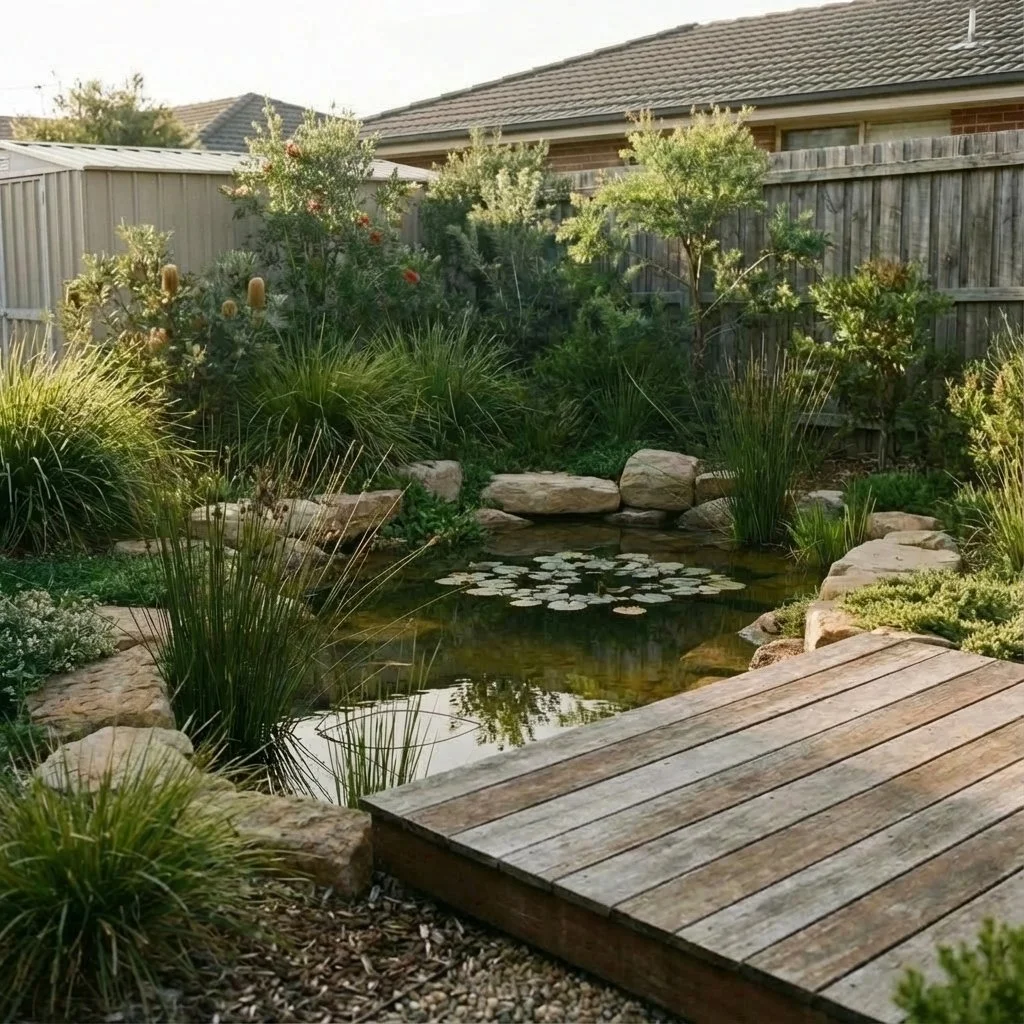
A small, living water feature that brings quiet rhythm and wildlife into the garden.
A fish and frog pond introduces gentle movement, sound, and life into the garden — a place where water cools the space and nature settles in. Over time, frogs, insects, and birds arrive, creating a sense of calm, balance, and daily observation. It’s less about decoration and more about atmosphere: a soft, living pause within the garden.
This Additional Moment provides a clear framework for designing a fish and frog pond within your Gramina Garden Plan. It focuses on placement, shape, planting, and construction so the pond feels natural, supports native species, and remains clean and easy to maintain. Careful attention is given to water quality, circulation, and mosquito prevention, allowing the pond to function as a healthy, low-maintenance ecosystem.
What’s Included
Placement guidance for sun, shade, and garden integration
Pond shape, depth, and edge design principles
Aquatic and complementary planting strategies
Construction best-practice guidance
Filtration and water circulation approach
Use of rainwater harvesting as a water source
Mosquito reduction and prevention strategies
Integration into your bespoke Gramina Garden Plan
Once purchased, this Fish & Frog Pond will be tailored to your site and woven directly into your bespoke garden plan.
Important:
Additional Moments are not sold separately. They must be purchased as part of a Gramina Garden Plan.
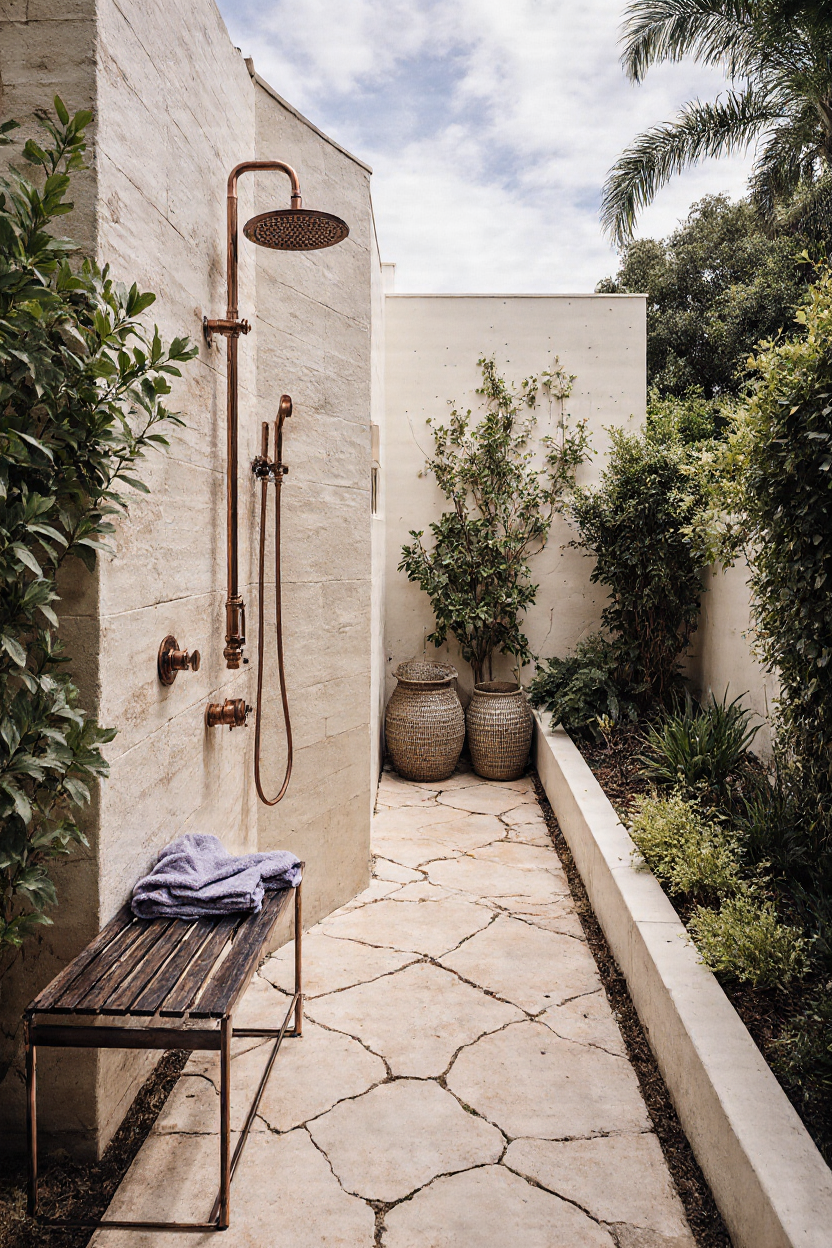
A refreshing outdoor shower that brings atmosphere, function, and a sense of everyday escape to your garden.
An outdoor shower adds a small ritual of luxury to the garden — the sound of water, the warmth of sunlight, and that feeling of being just a little closer to nature. Whether it’s for rinsing off after a swim, cooling down on warm days, or creating a quiet, restorative corner, it offers both function and calm.
This Additional Moment provides a flexible, well-considered design for integrating an outdoor shower into your Gramina Garden Plan. It outlines placement strategies (open, semi-screened, or fully enclosed), wall-mounted vs. freestanding layouts, recommended materials and finishes, drainage approaches, and practical details to ensure comfort, privacy, and longevity. Everything aligns with the theme, character, and palette of your chosen garden plan—so nothing feels tacked on.
What’s Included
Placement options: open, enclosed, freestanding, wall-mounted
Recommended fixtures, fittings & materials (stainless, copper, brass)
Base options: paving, gravel, or decking
Drainage & fall requirements
Privacy & screening guidance
Integration into your bespoke Gramina Garden Plan
Once purchased, this Outdoor Shower will be tailored to your site and woven directly into your bespoke garden plan.
Important:
Additional Moments are not sold separately. They must be purchased as part of a Gramina Garden Plan.
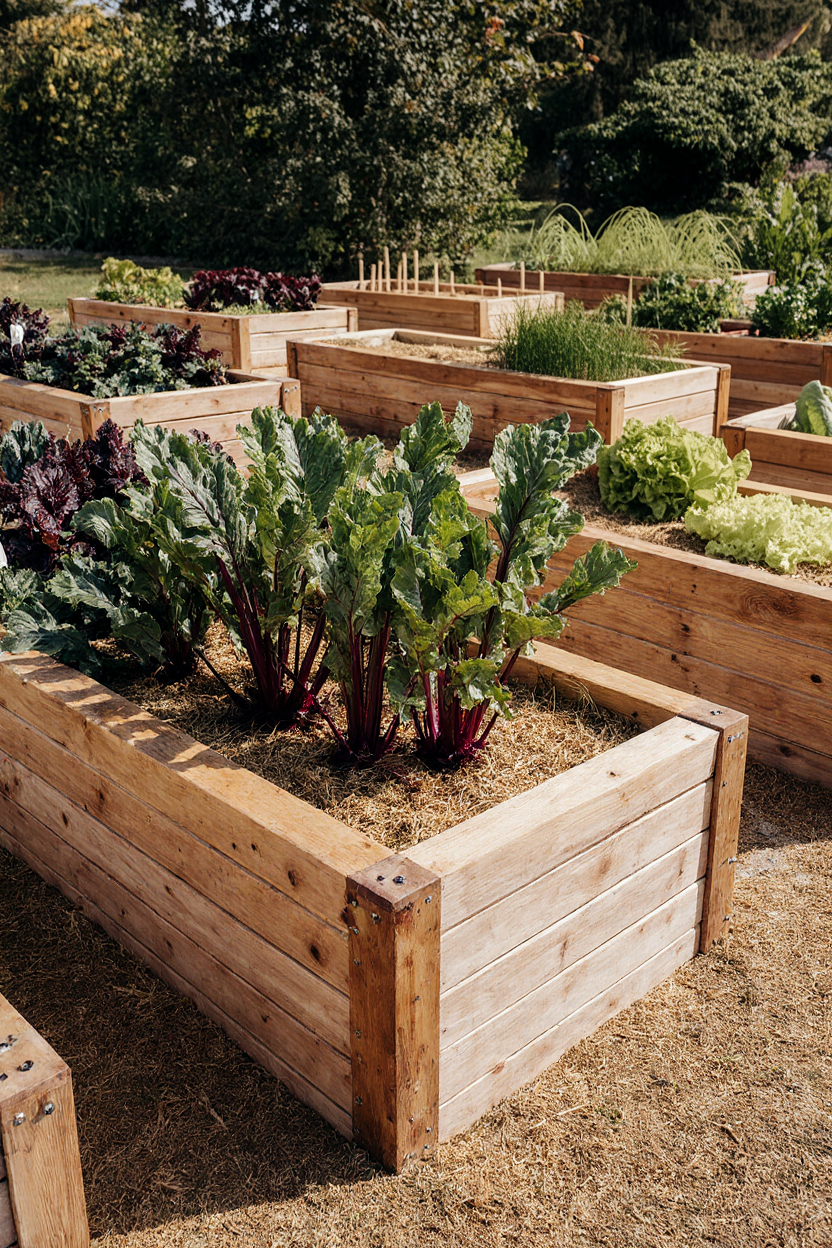
A productive garden system that stays lush with minimal watering.
Wicking veggie beds create a reliable, low-effort way to grow food at home by keeping soil evenly moist from below. Instead of frequent surface watering, plants draw water up from a concealed reservoir as they need it, reducing evaporation, stress, and guesswork. The result is steady growth, healthier crops, and far less daily maintenance.
This Additional Moment provides a clear, well-considered design for integrating wicking beds into your Gramina Garden Plan. It covers layout and sizing, construction logic, soil and reservoir setup, and how to position beds for sun, access, and long-term productivity. Whether you’re growing herbs, leafy greens, or seasonal vegetables, the system is designed to work quietly in the background—efficient, durable, and easy to live with.
What’s Included
Bed layout and positioning guidance
Recommended dimensions and construction approach
Reservoir, overflow, and soil profile setup
Material suggestions for timber, liners, and pipework
Guidance on crop types suited to wicking systems
Integration into your bespoke Gramina Garden Plan
Once purchased, these Wicking Veggie Beds will be tailored to your site and woven directly into your bespoke garden plan.
Important:
Additional Moments are not sold separately. They must be purchased as part of a Gramina Garden Plan.
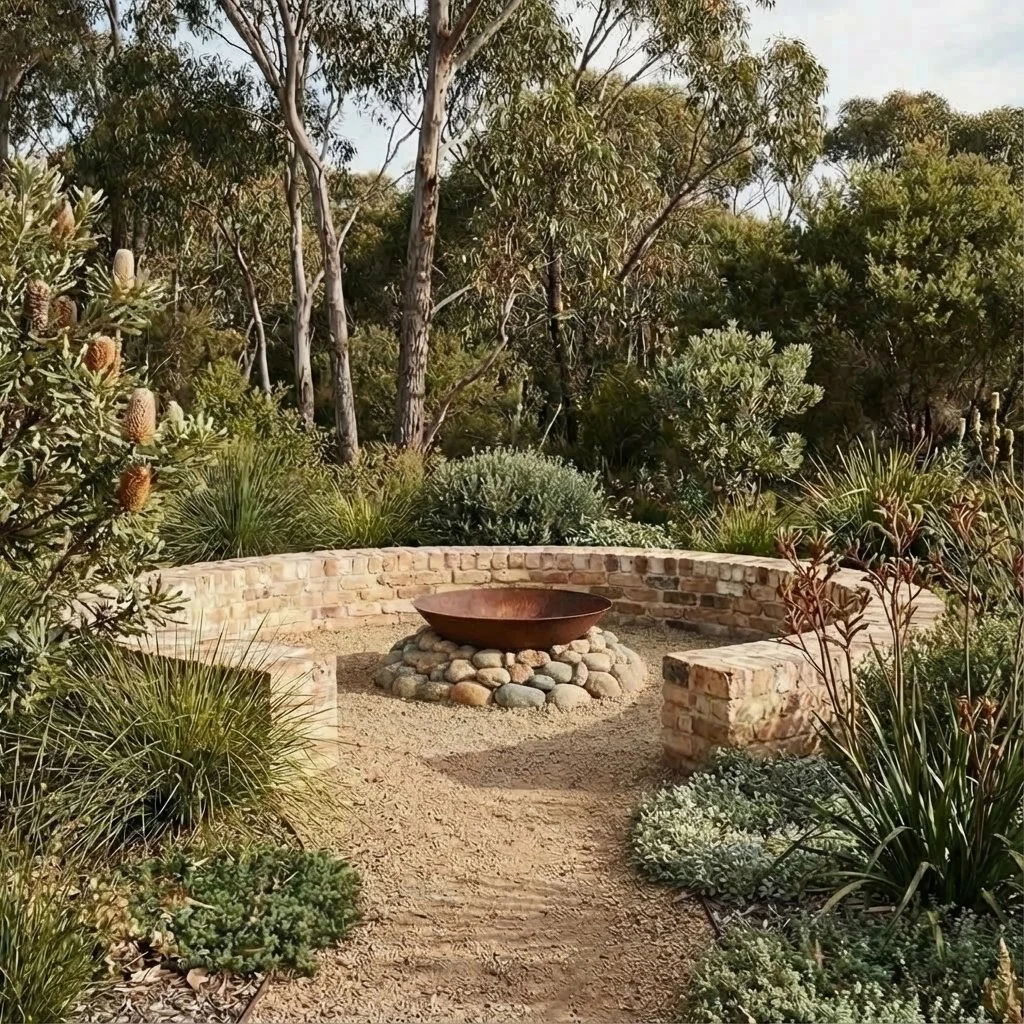
A grounded gathering space built around warmth, conversation, and shared time.
A firepit brings people together in a simple, timeless way — sitting low, facing one another, sharing warmth and conversation as daylight fades. Fire introduces sound, movement, and glow, extending the garden into cooler evenings and creating a place that naturally slows time. Whether used for quiet conversation, family gatherings, or long nights outdoors, it becomes a social anchor within the garden.
This Additional Moment sets out the core design logic for integrating a firepit circle into your Gramina Garden Plan. It focuses on spatial relationships, how seating relates to the fire, how the space is entered and contained, and how the firepit sits within the wider garden.
What’s Included
Placement guidance for sun, shade, considering smoke and garden integration.
General Recommended dimensions and offsets for safe use of fire pit.
Materials suggestions and design options.
Planting near fire pit recommendations.
Fuel types and operation (wood, charcoal, gas) and how each affects design
Charcoal and Ash, how to dispose and use in the garden.
Integration into your bespoke Gramina Garden Plan
Once purchased, this Fire Pit will be tailored to your site and woven directly into your bespoke garden plan.
Important:
Additional Moments are not sold separately. They must be purchased as part of a Gramina Garden Plan.
How Our Affordable Landscape Garden Design Works…
Choose Your Landscape Garden Plan
Browse the collection and pick the Garden Plan and add Additional Moments that matches the look, feel and functions you want for your outdoor space.


Tell Us About Your Garden Site
Measure up and understand your site. Fill out a short form with your address and key details so we can tailor your plan to your property and climate.

Receive Your Landscape Garden Design
We turn your brief into a personalised Gramina Garden Plan – a clear layout, planting and materials tailored to your site and climate, ready to build from.
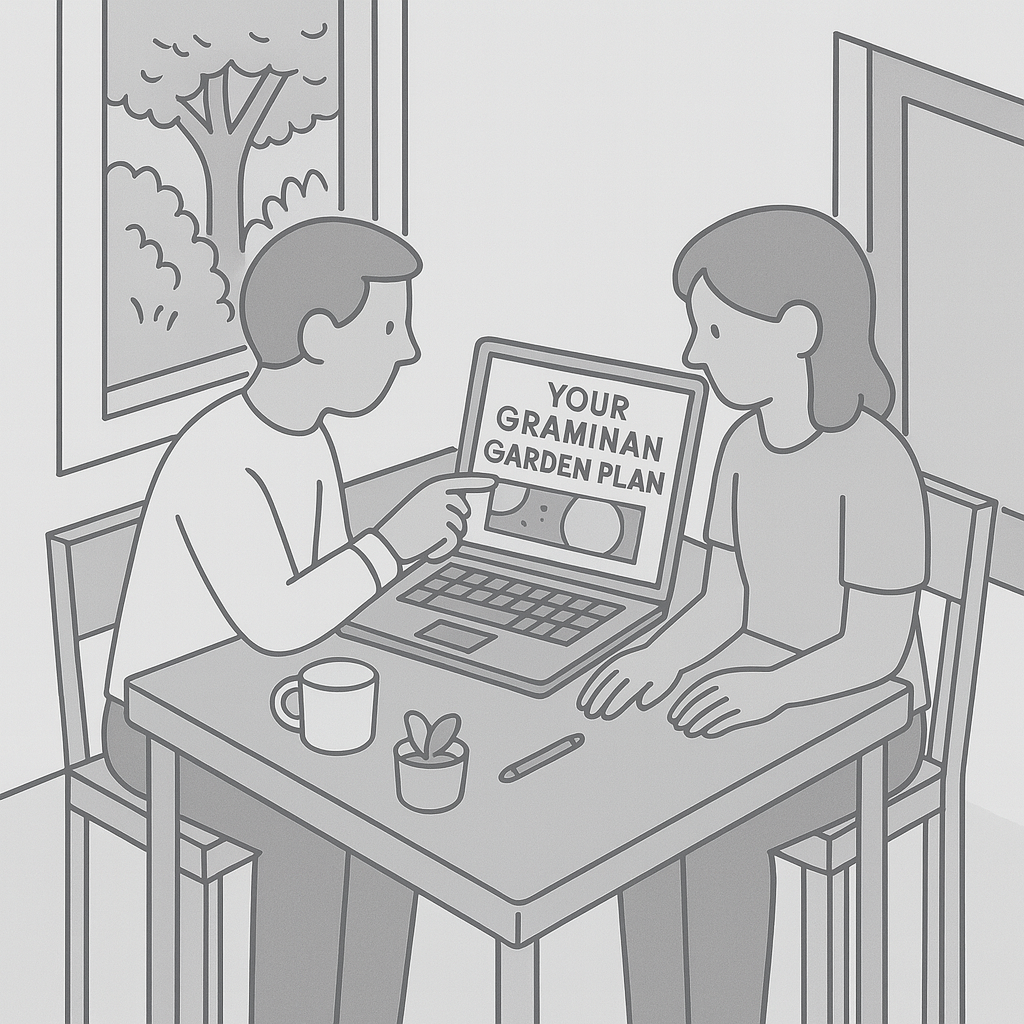
Start Bringing your Garden to Life
With your plan in hand, you can start building your new garden—one step at a time, in a way that suits you.